
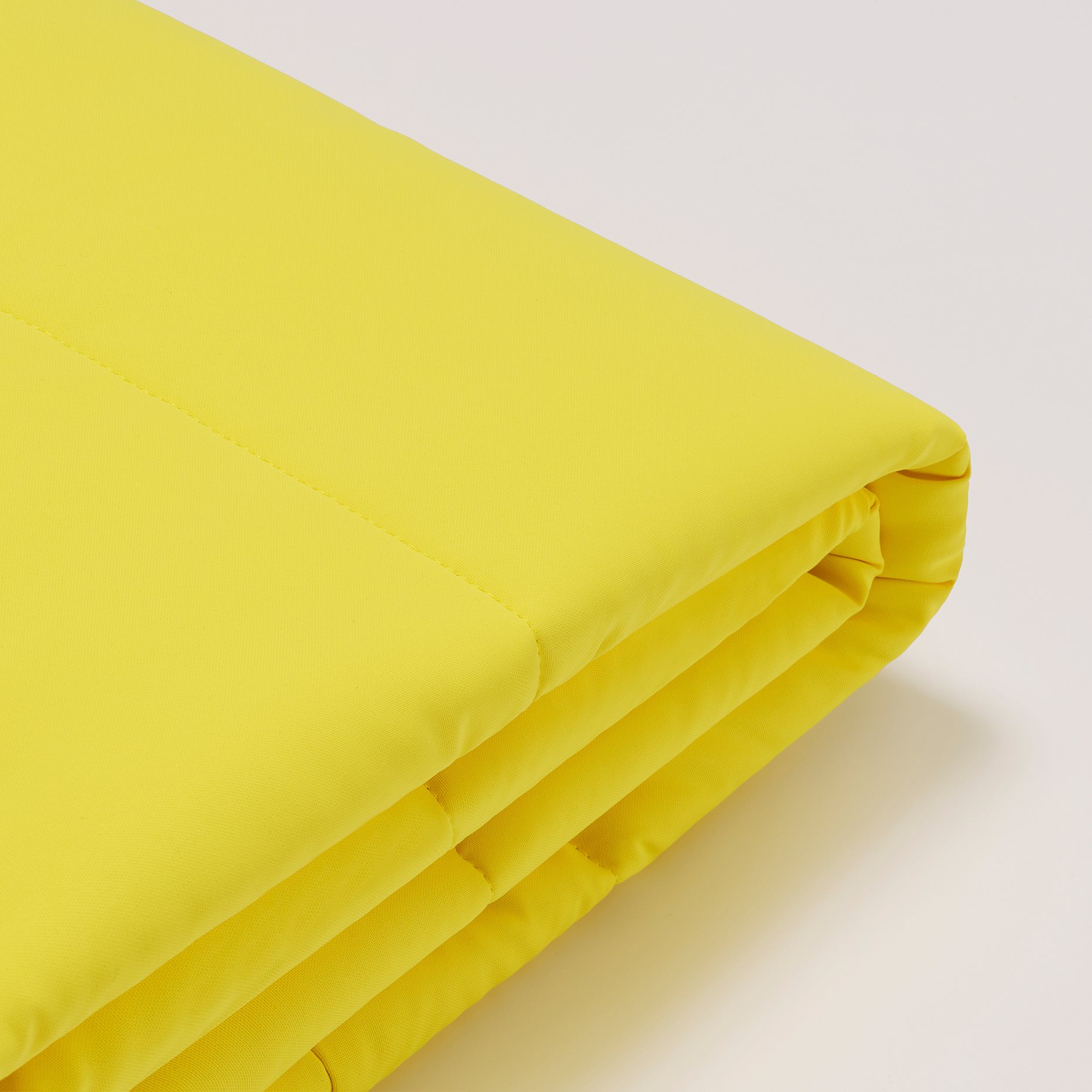
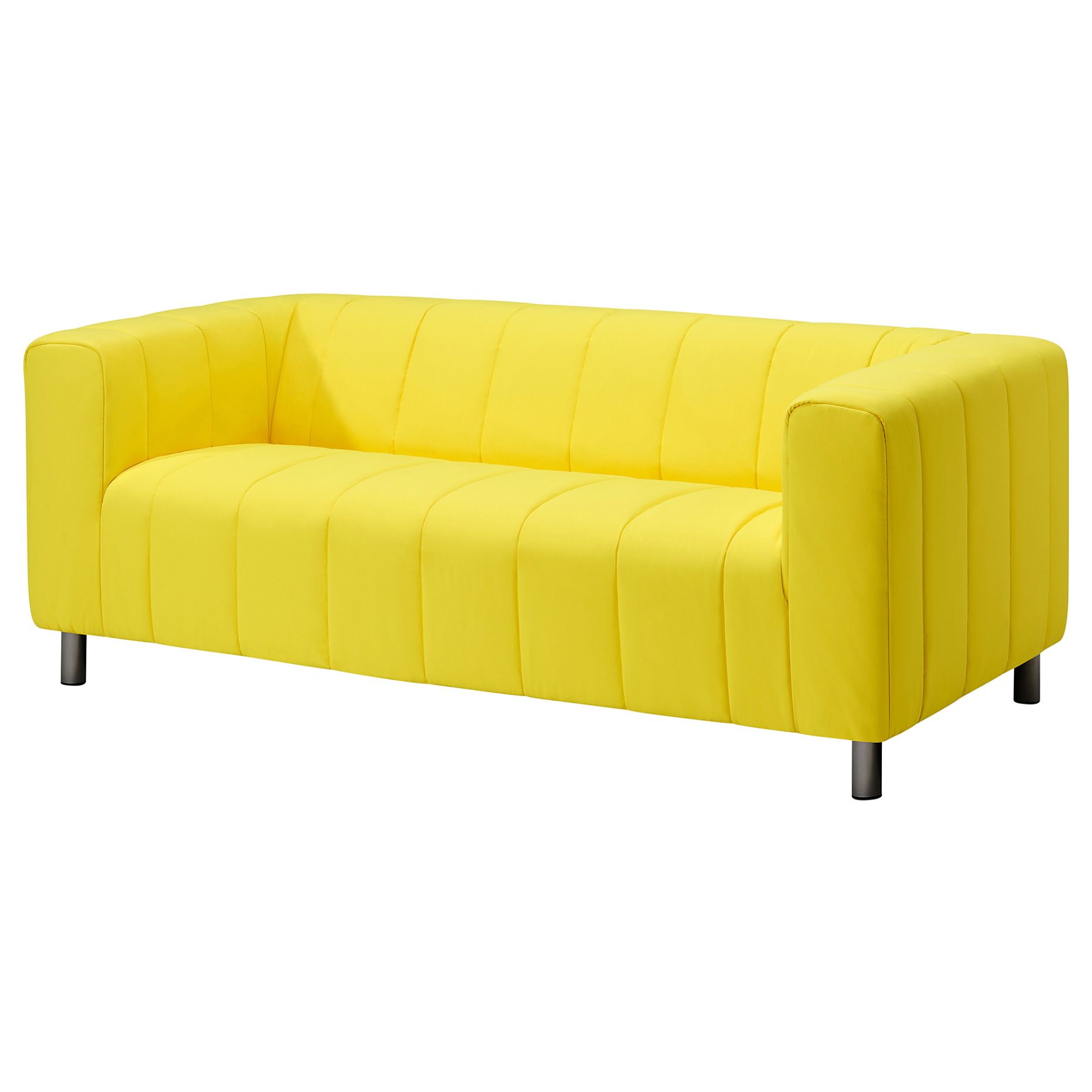
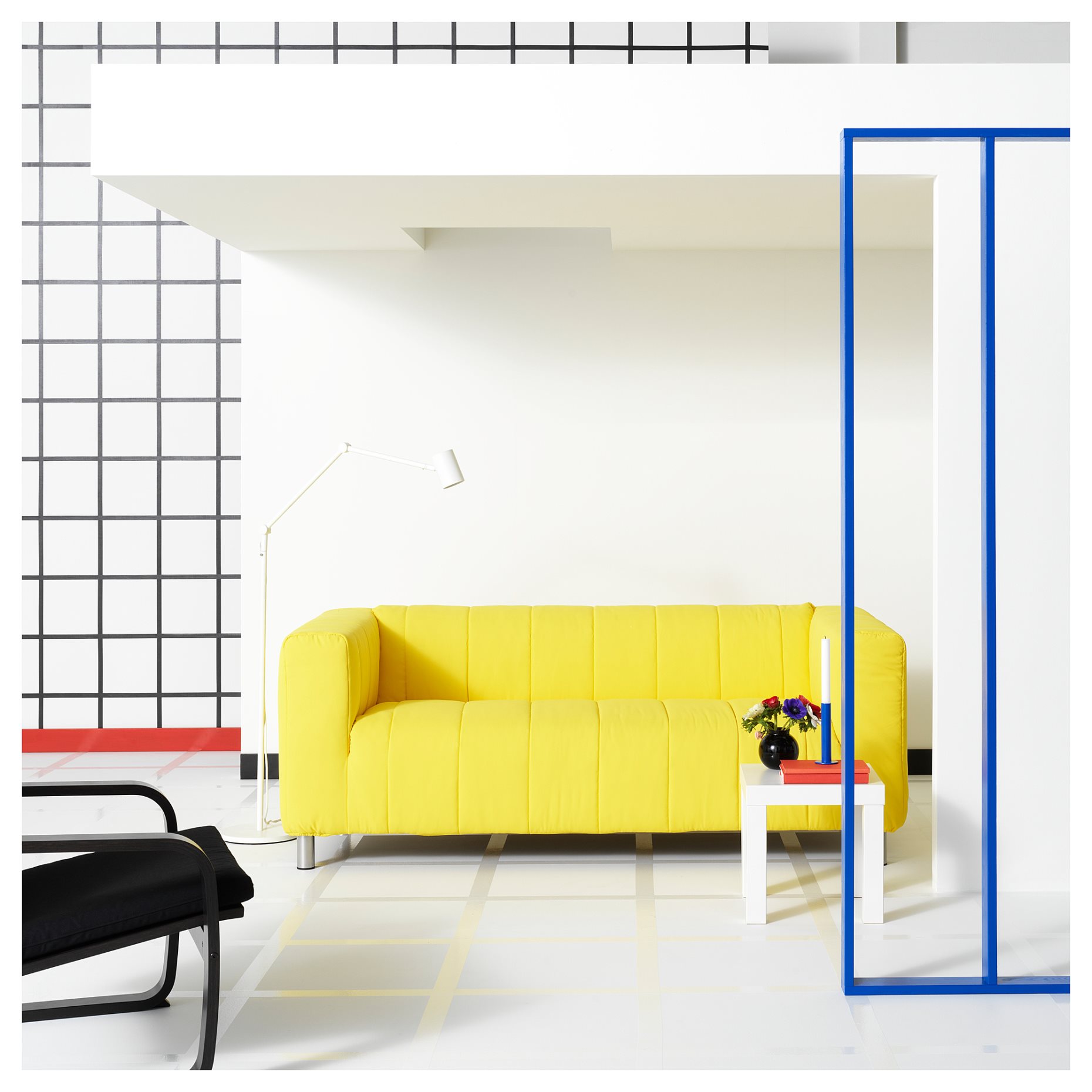
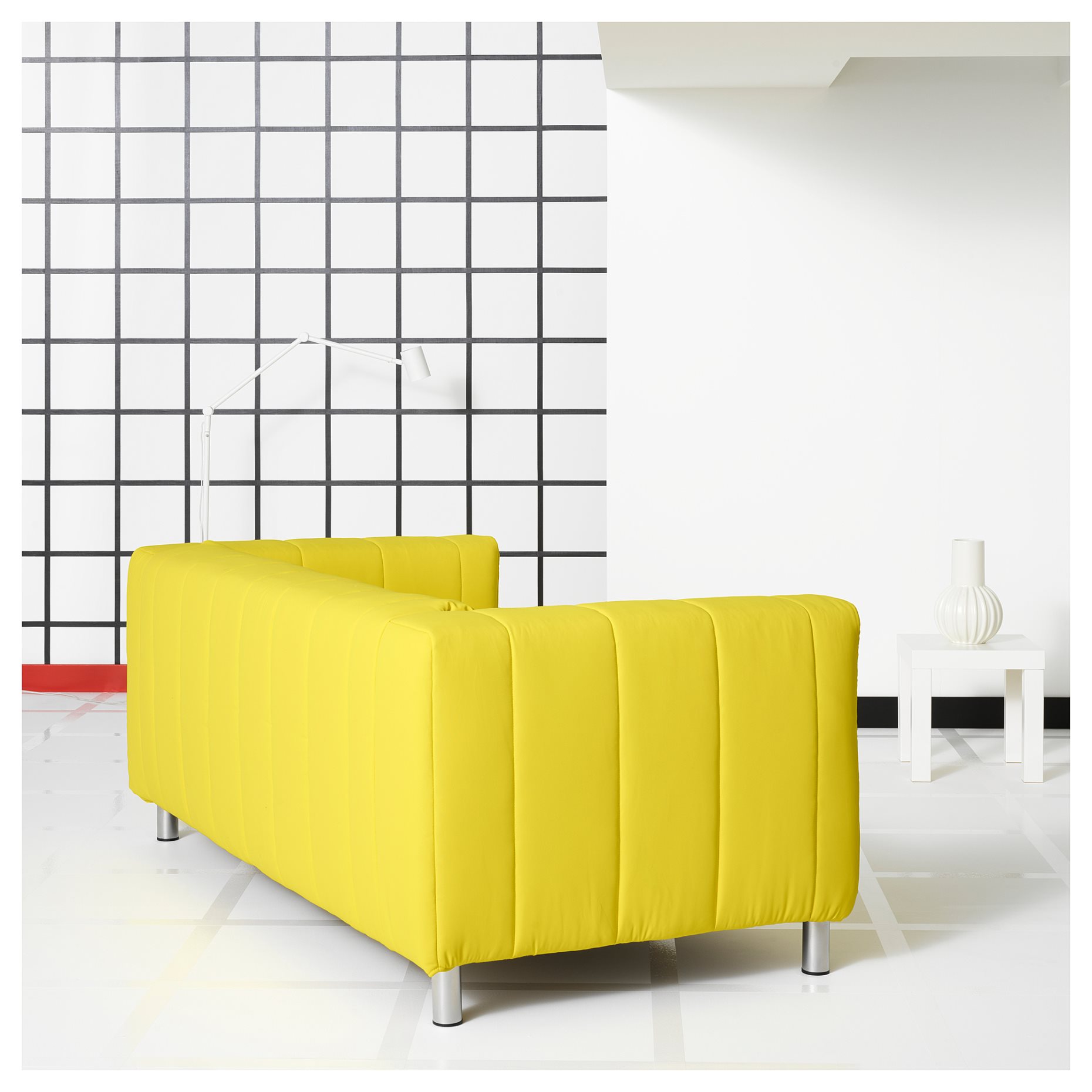
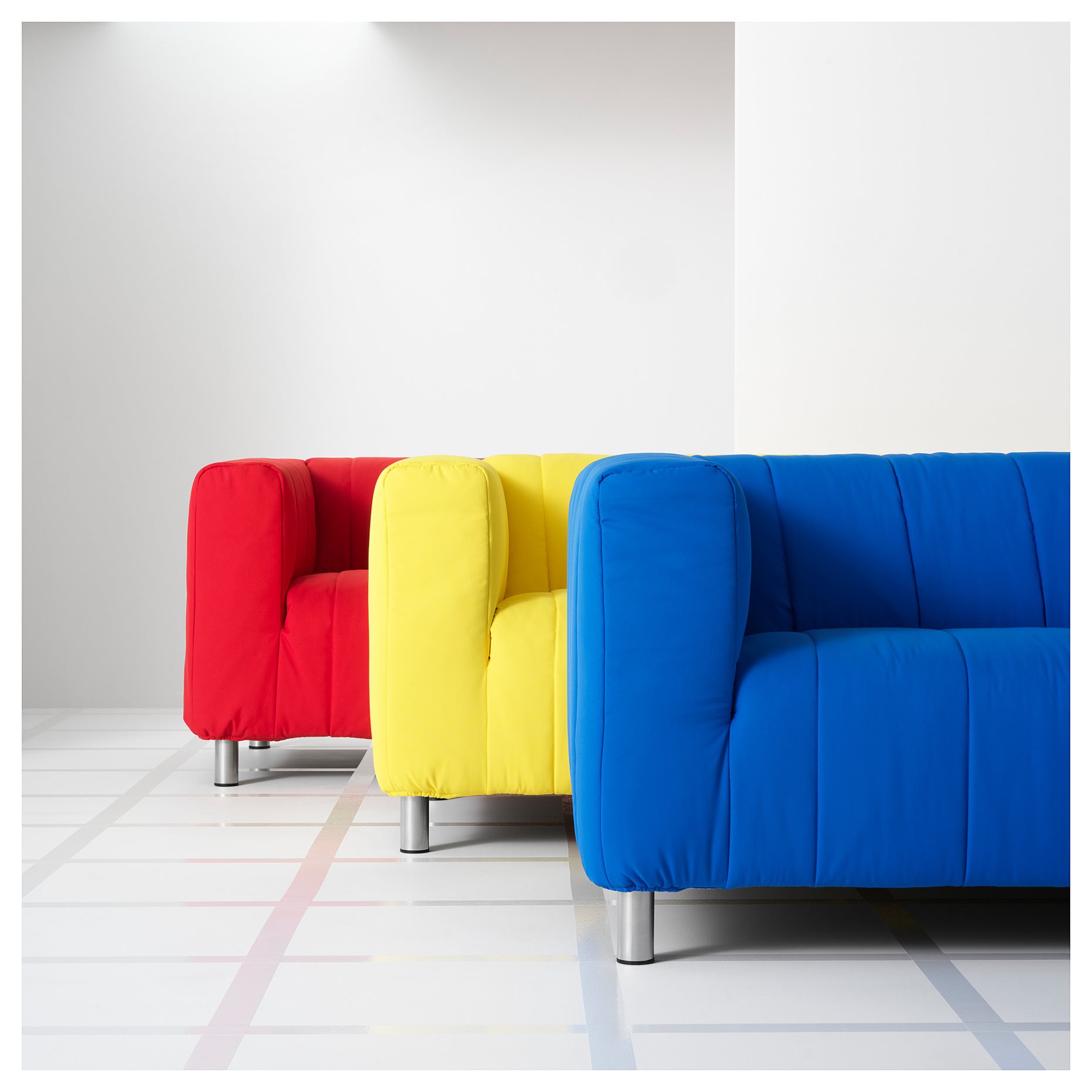
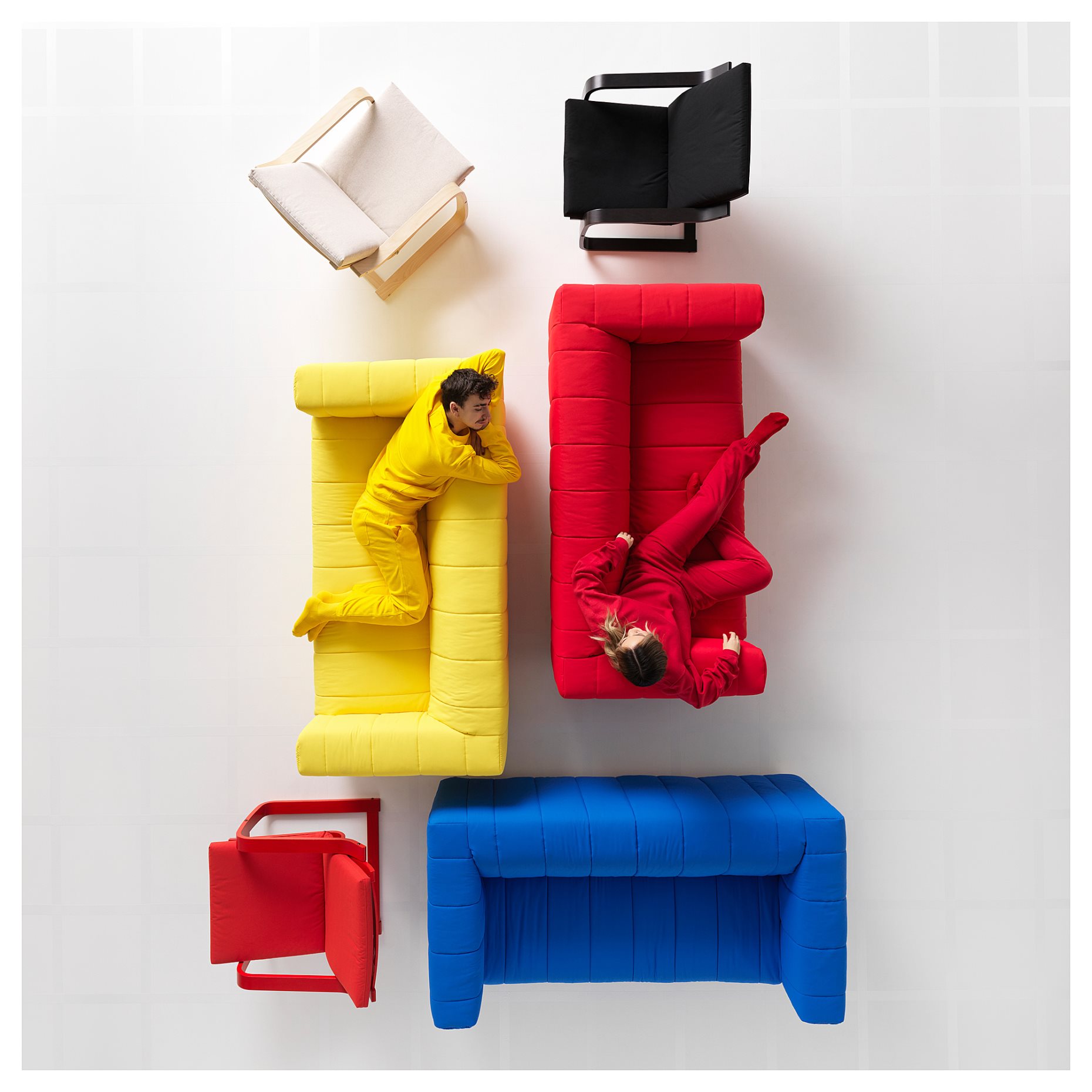
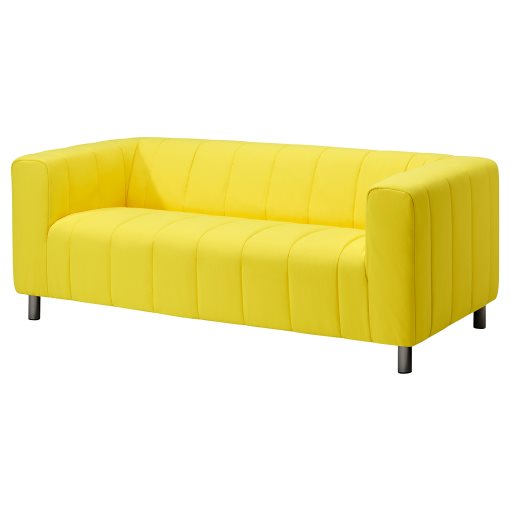
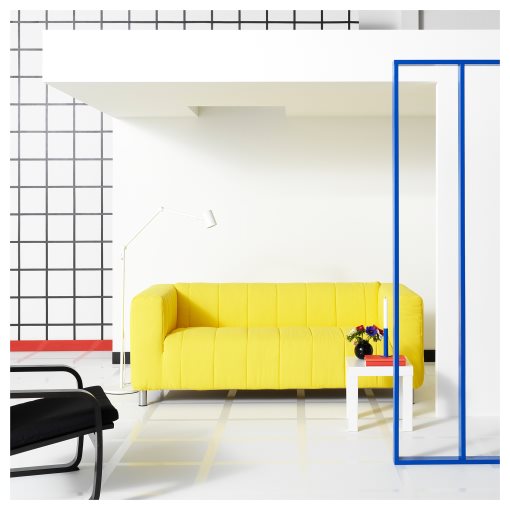
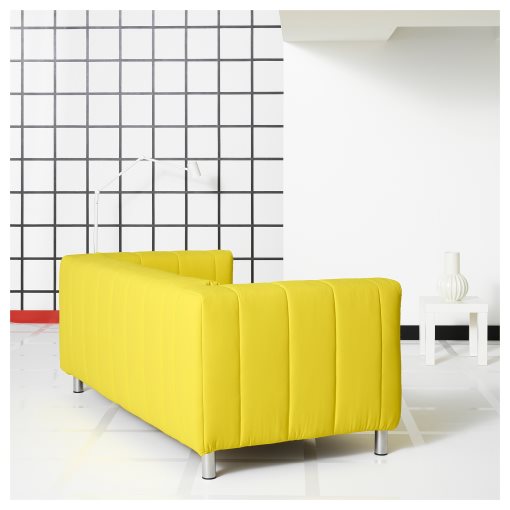
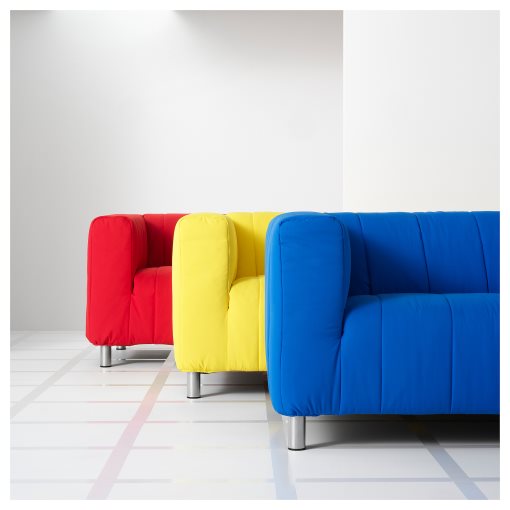
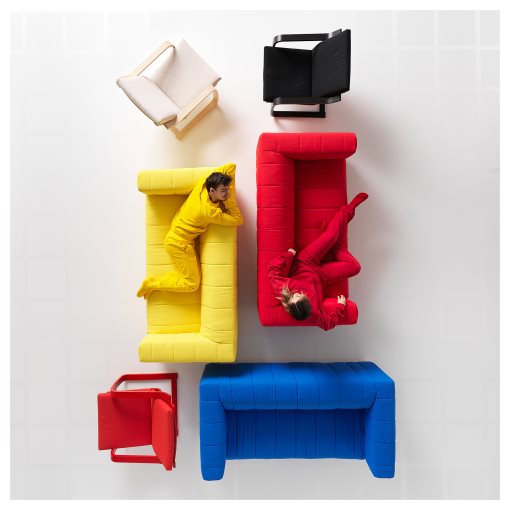
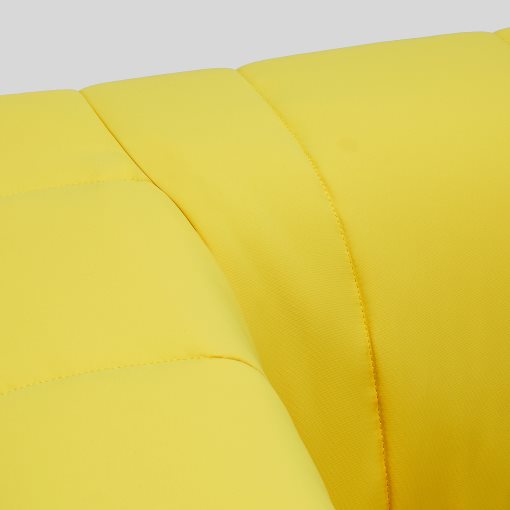
KLIPPAN was introduced in 1980 and grew in popularity over the years. With its clean-lined look and kid-friendly corners it has now been a top seller for almost half a century!
Dimensions
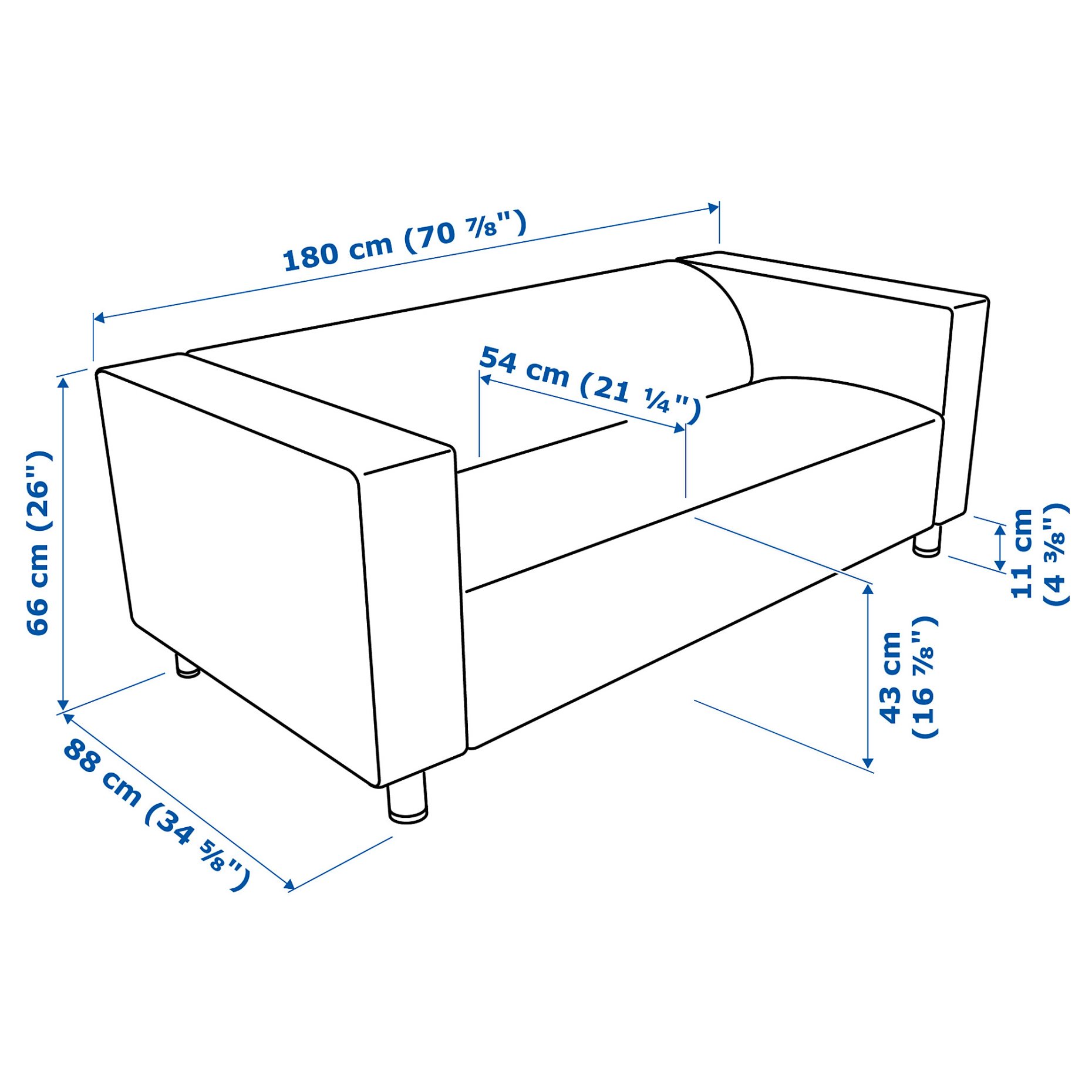
Dimensions
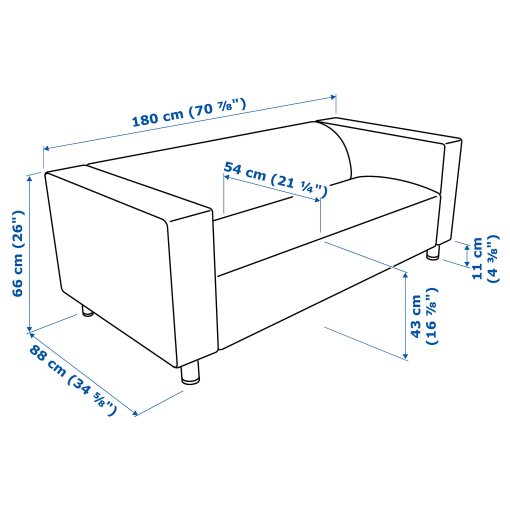
Product Dimensions
Number of seats: 2 pieces
Product Details
Product Details
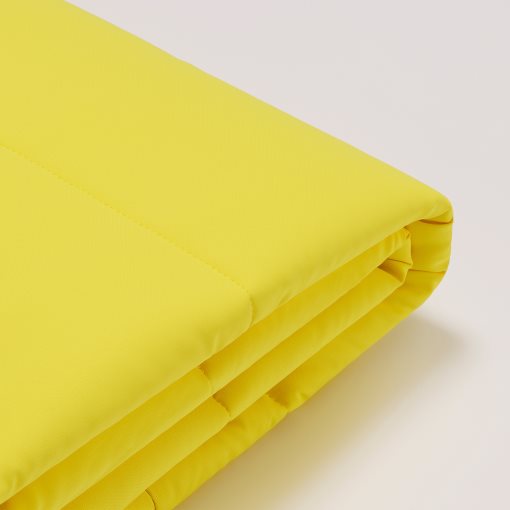
Material
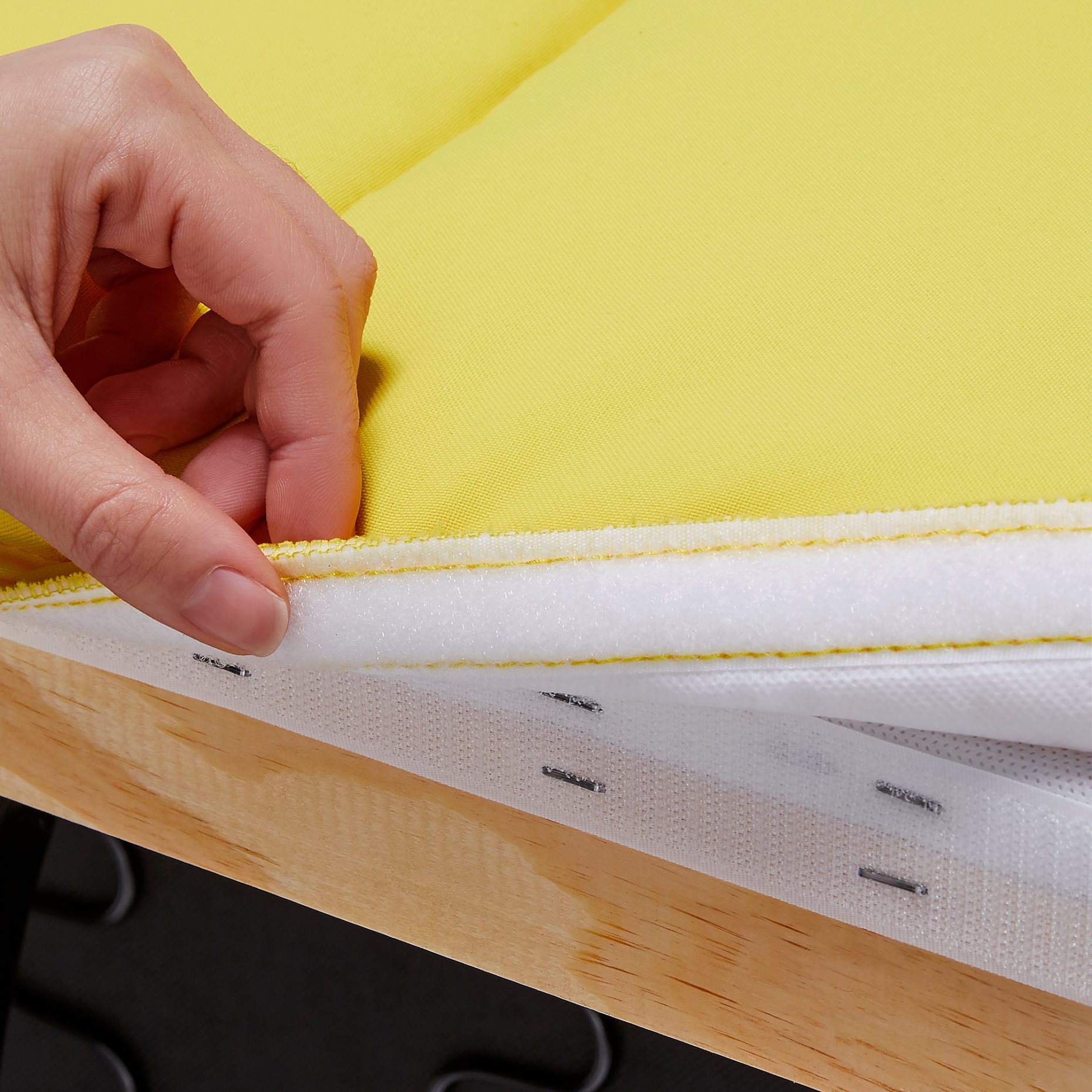
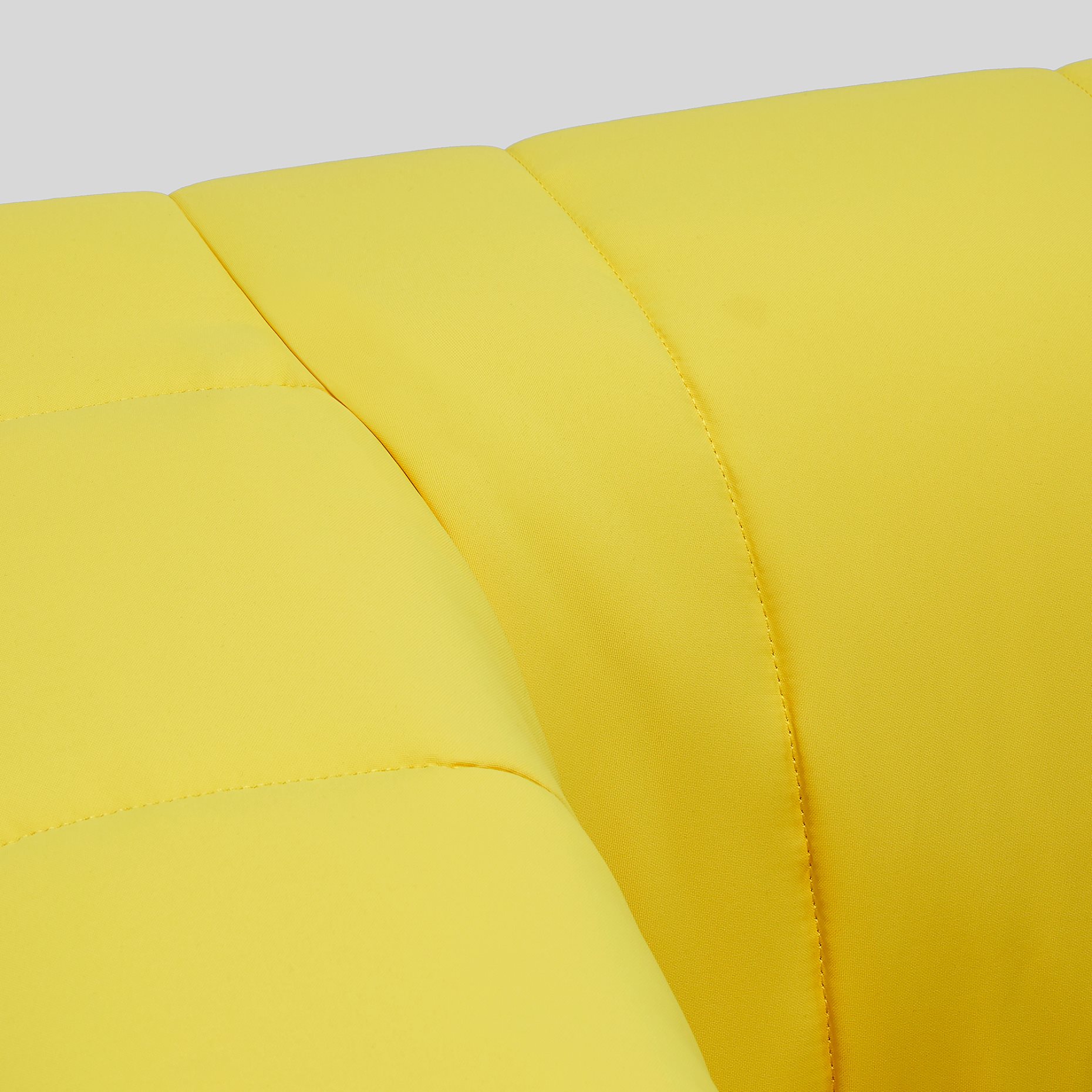
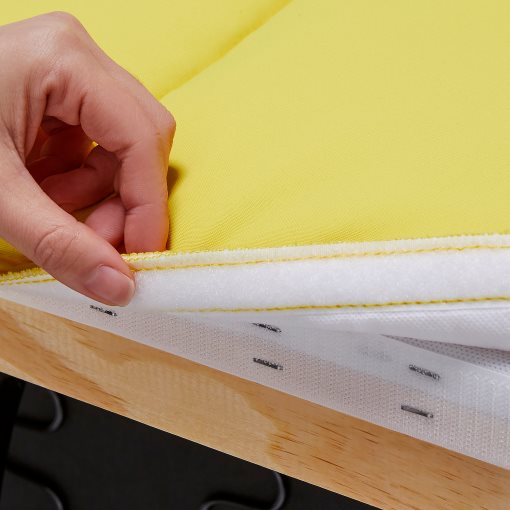
Quilting: 100% polyester (min. 70% recycled)
Lining: 100% polypropylene
Elastic band: 100% polyester, 100% rubber
Base fabric: 100 % polyester (100% recycled)
Lining: 100% polypropylene
Elastic band: 100% polyester, 100% rubber
Base fabric: 100 % polyester (100% recycled)
Care Instructions
Machine wash, max 40°C, normal process.
To be washed separately.
Do not bleach.
Do not tumble dry.
Iron, max 150°C.
Steam iron is recommended.
Professional dry cleaning in tetrachloroethene and hydrocarbons, normal process.
To be washed separately.
Do not bleach.
Do not tumble dry.
Iron, max 150°C.
Steam iron is recommended.
Professional dry cleaning in tetrachloroethene and hydrocarbons, normal process.
Good to Know
Sold separately
This product is an extra cover. Sofa is sold separately.
Safety and compliance
This cover’s ability to resist abrasion has been tested to handle 50,000 cycles. 15,000 cycles or more is suitable for furniture used every day at home. Over 30,000 cycles means a good ability to resist abrasion.
The cover has a lightfastness level of 5 (the ability to resist colour fading) on a scale of 1 to 8. According to industry standards, a lightfastness level of 4 or higher is suitable for home use.
This product is an extra cover. Sofa is sold separately.
Safety and compliance
This cover’s ability to resist abrasion has been tested to handle 50,000 cycles. 15,000 cycles or more is suitable for furniture used every day at home. Over 30,000 cycles means a good ability to resist abrasion.
The cover has a lightfastness level of 5 (the ability to resist colour fading) on a scale of 1 to 8. According to industry standards, a lightfastness level of 4 or higher is suitable for home use.
Designer
IKEA of Sweden
Benefits
Part of the Nytillverkad collection where several IKEA classics have been given a new look.
Designer Noboru Nakamura used LAPPMON sofa as a starting point when he created KLIPPAN. By simplifying and shortening it by 18 centimetres, less materials were needed, which effected the price positively.
Hallsta cover was first shown on the cover of our 1984 catalogue. Now, 40 years later, it has been given a new life under the name Långban.
Designer Noboru Nakamura used LAPPMON sofa as a starting point when he created KLIPPAN. By simplifying and shortening it by 18 centimetres, less materials were needed, which effected the price positively.
Hallsta cover was first shown on the cover of our 1984 catalogue. Now, 40 years later, it has been given a new life under the name Långban.
Reviews
Reviews
Form/Design process
A sofa for the many people
In the late 1970s, product developer Lars Engman asked designer Noboru Nakamura to create a robust sofa with soft corners and a washable cover – at a price that families with small children could afford. Nakamura used LAPPMON sofa as a starting point. By simplifying and shortening it by 18 centimetres, less material was required – and there was room for more on each pallet. KLIPPAN sofa was born and introduced in 1980.