Block out
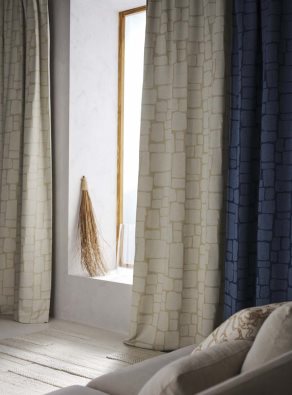
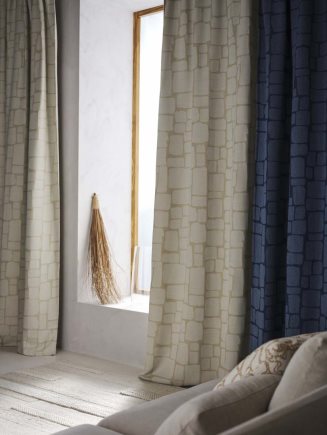
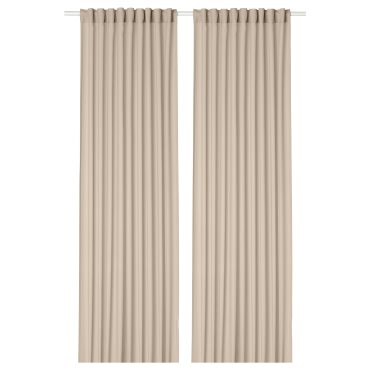
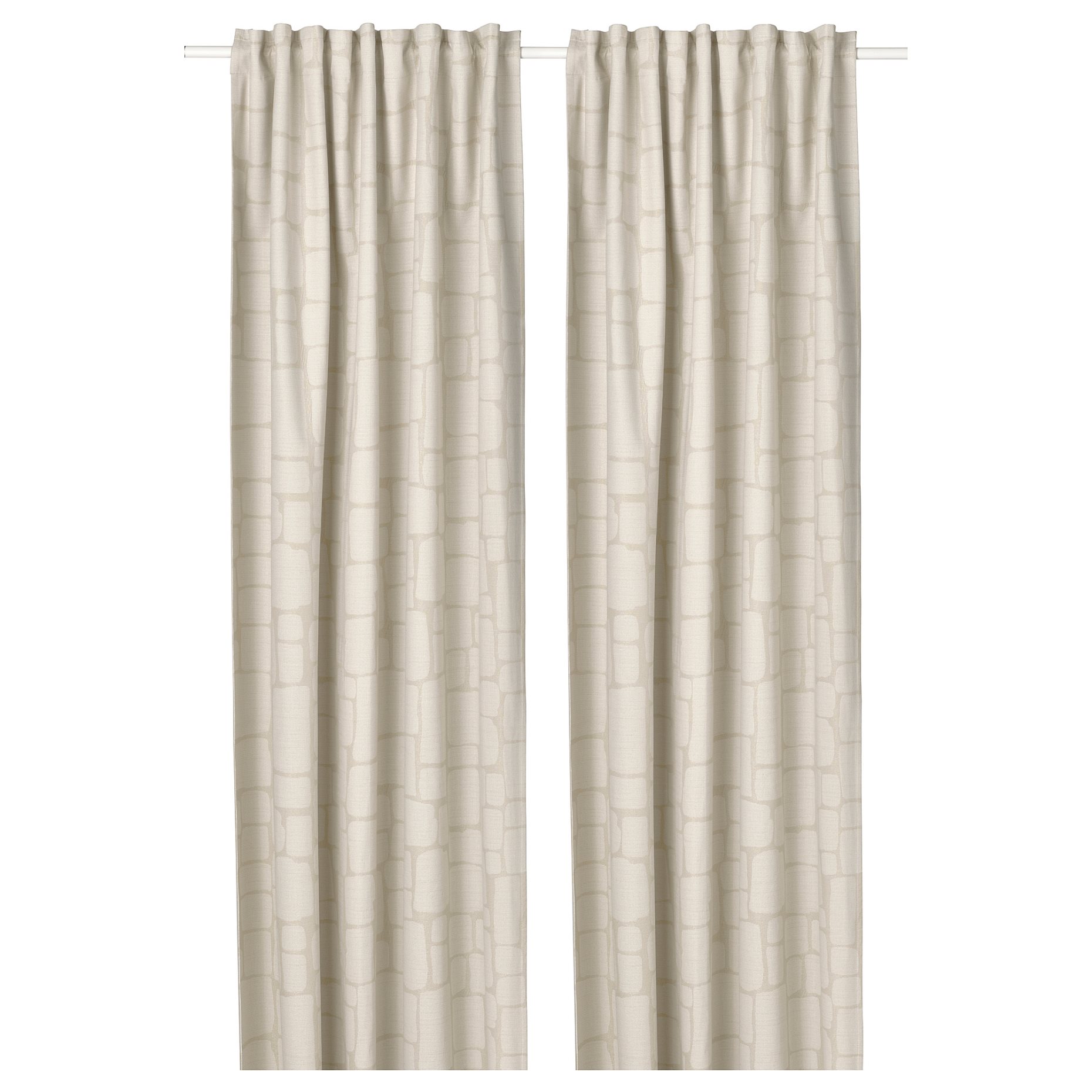
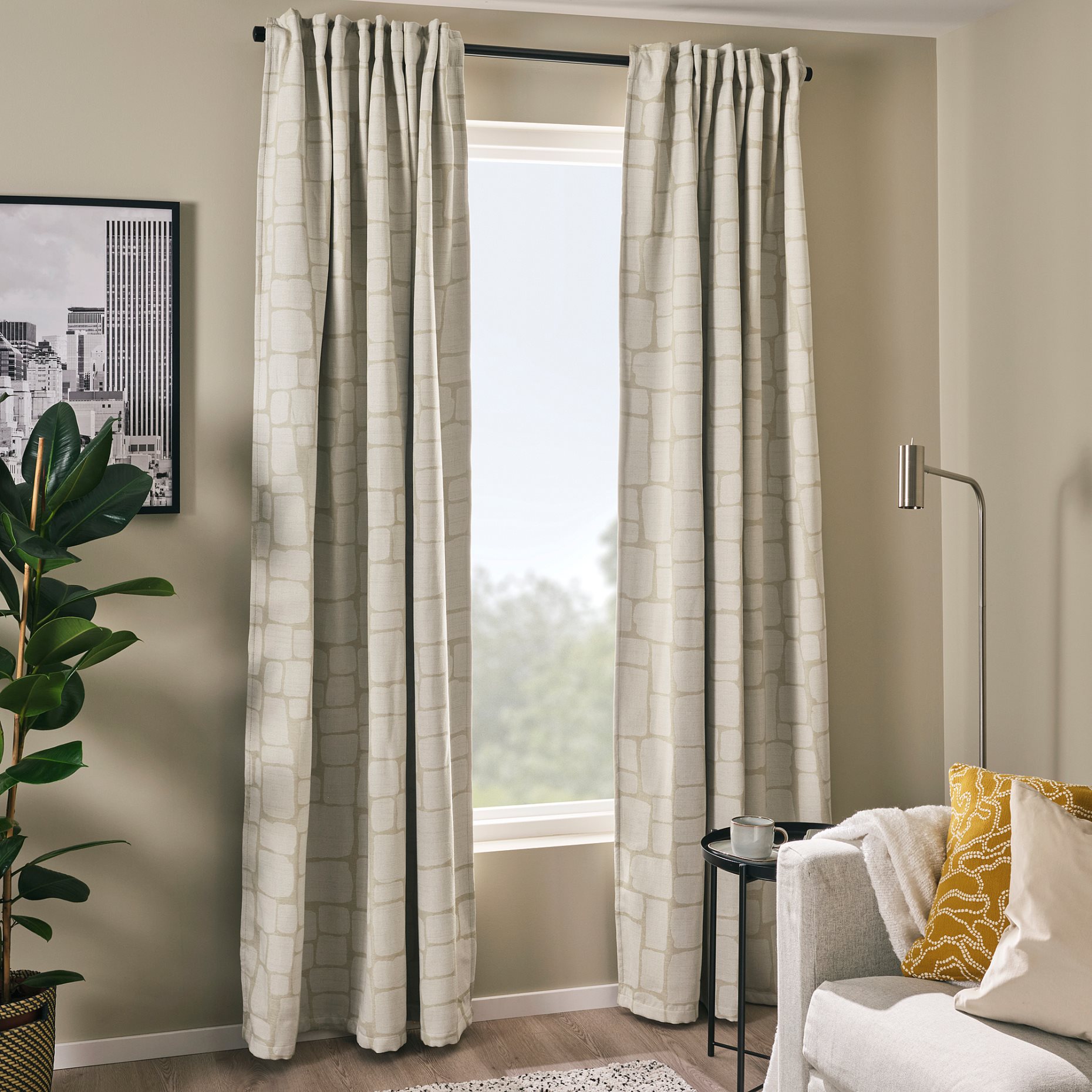
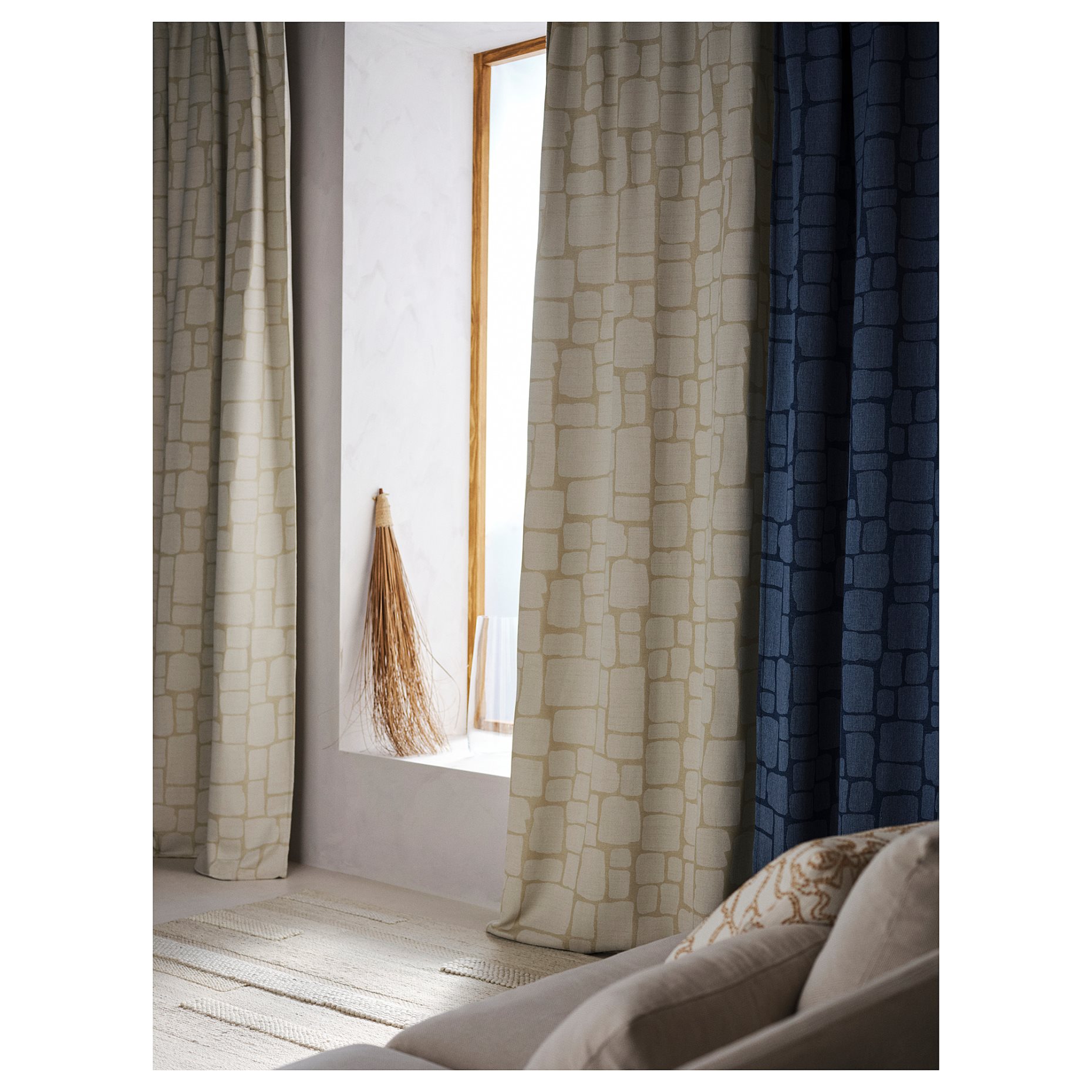
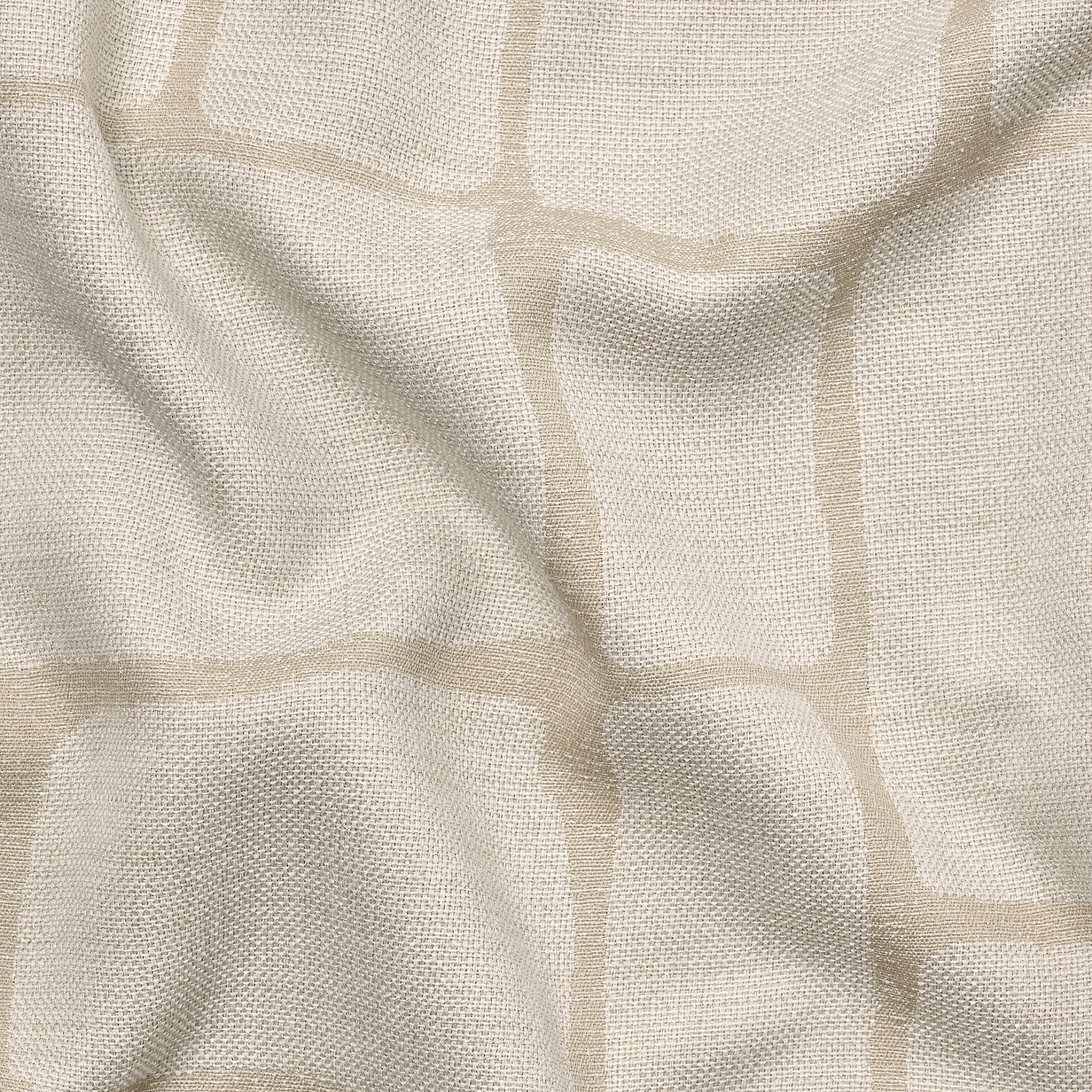
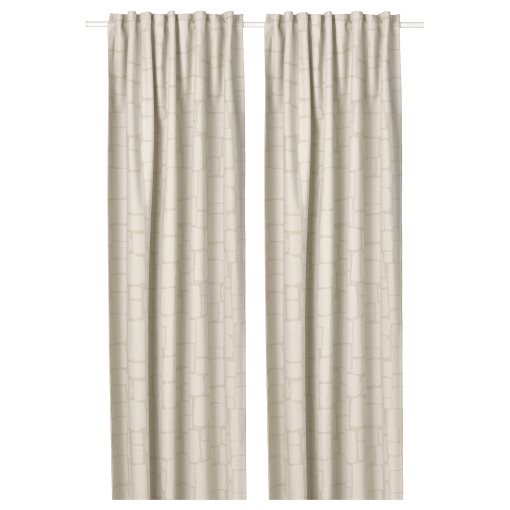
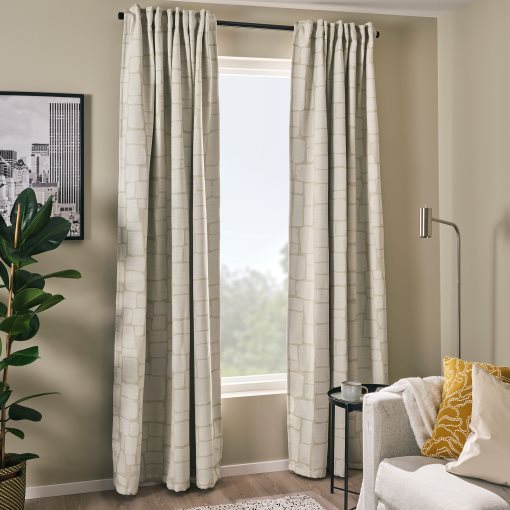
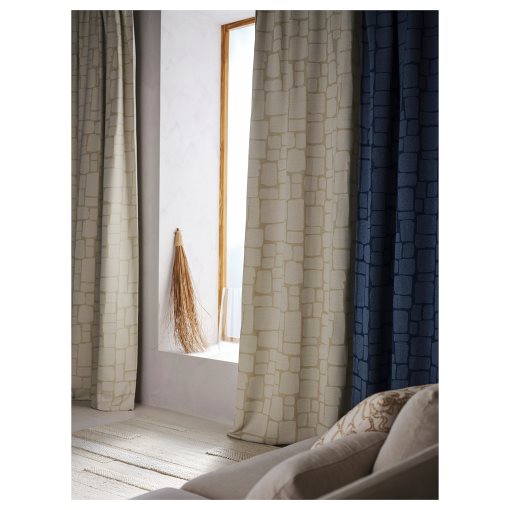
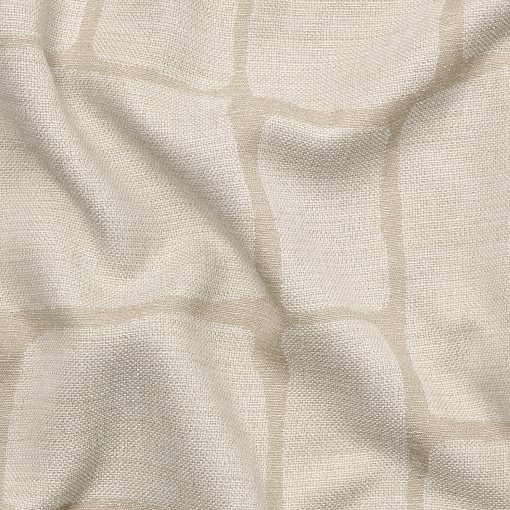
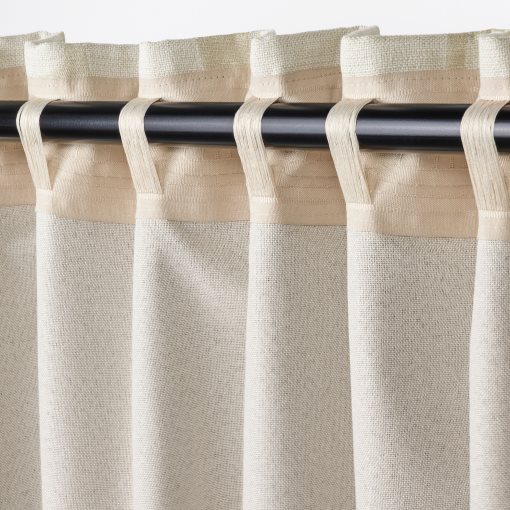
Jacquard-woven LÖNNSTÄVMAL block-out curtain adds an air of elegance to your space. The rich pattern in tones of beige changes with the pleating as you open or close the curtain.
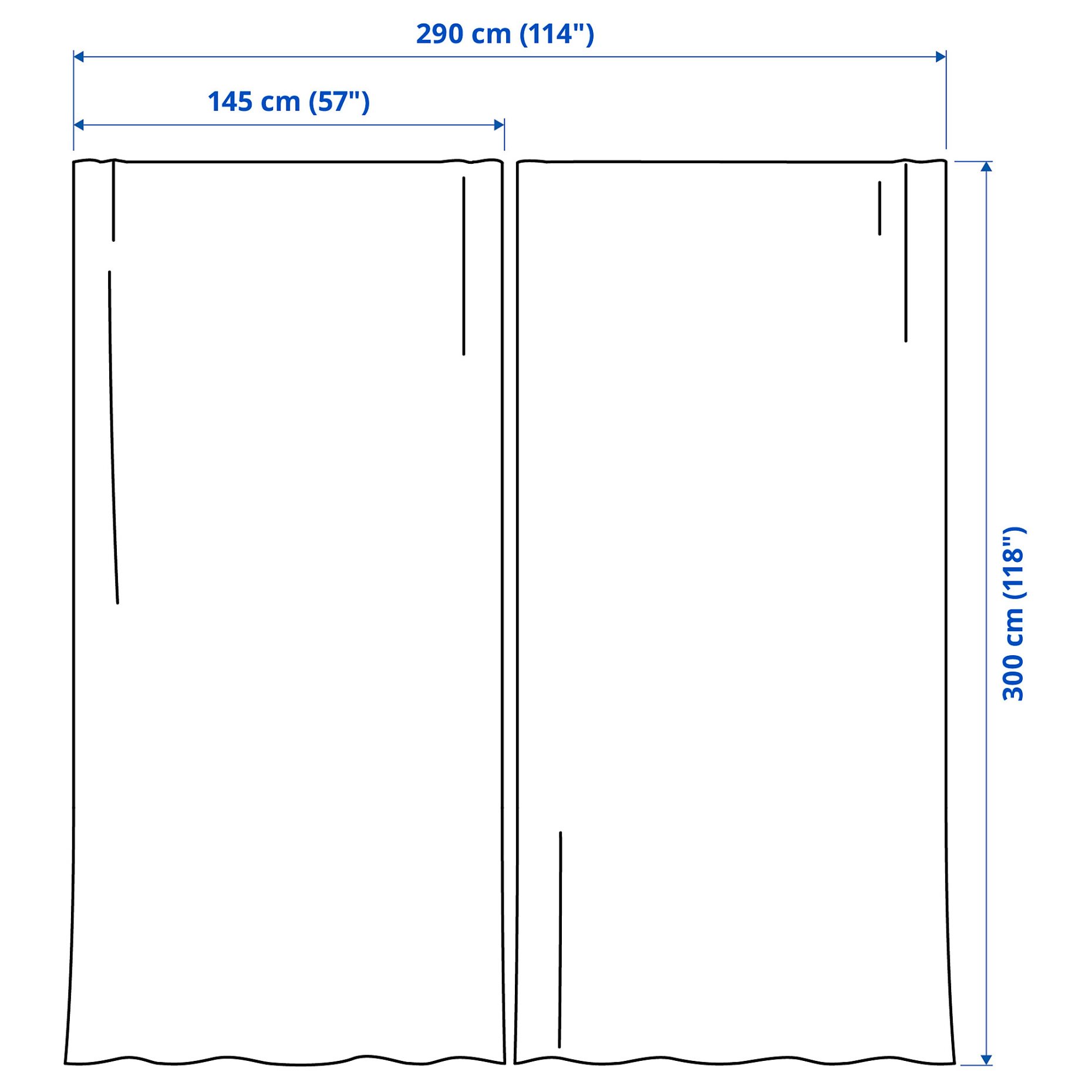
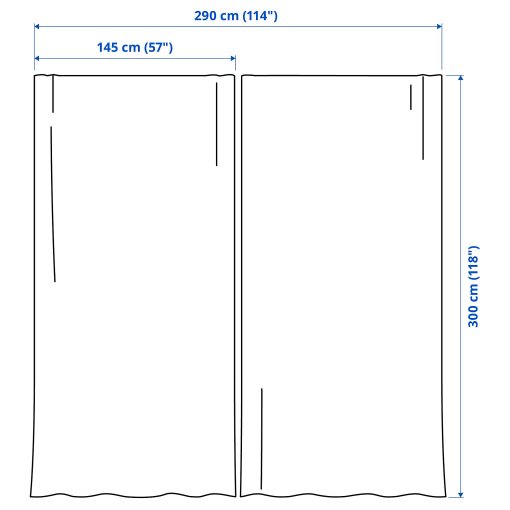
Width: 145 cm
Area: 4.35 m²
Lining, top: 100 % polyester (100% recycled)
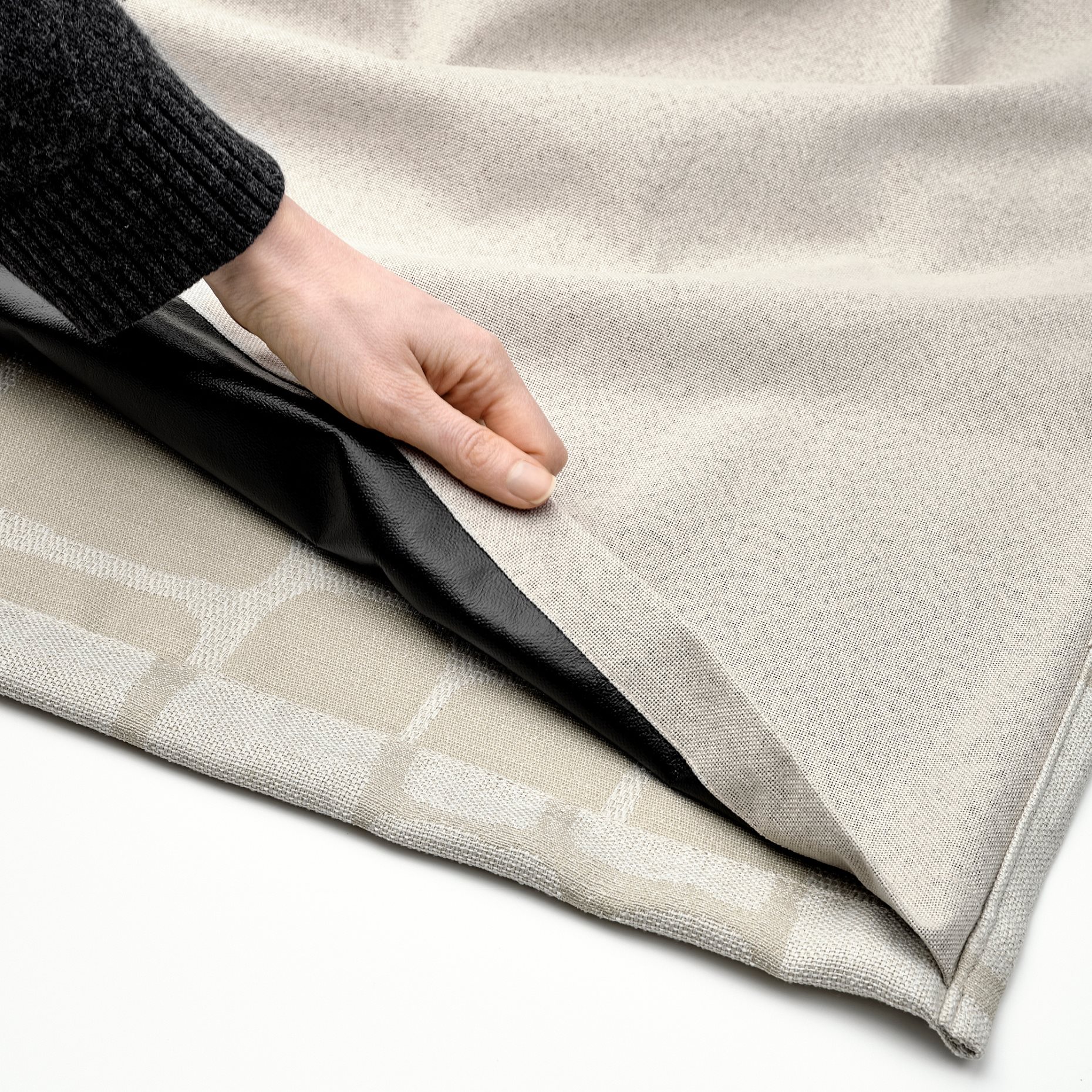
Lining, underside: 100 % Polyurethane
Do not bleach.
Do not tumble dry.
Iron, max 110°C.
Steam iron is recommended.
Do not dryclean.
Curtain, 1 pair included.
Additional information
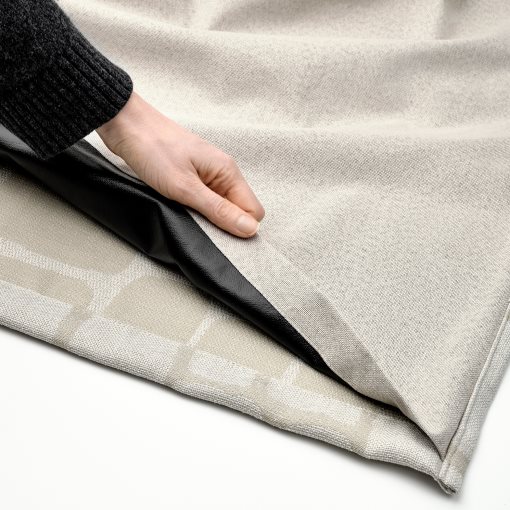
To ensure a soft, flexible drape, the block-out curtain and lining are only sewn together on 3 sides and not across the bottom.
To determine the total width of curtains needed, multiply the rod/track length by 1.5 for a light, airy look or by 2 for a fuller, richer look.
To determine the number of curtains needed, divide the rod/track length by the width of one curtain. Always round up.
Assembly and installation
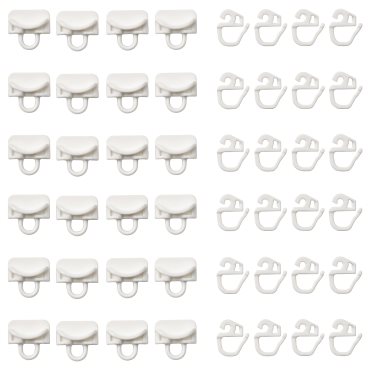
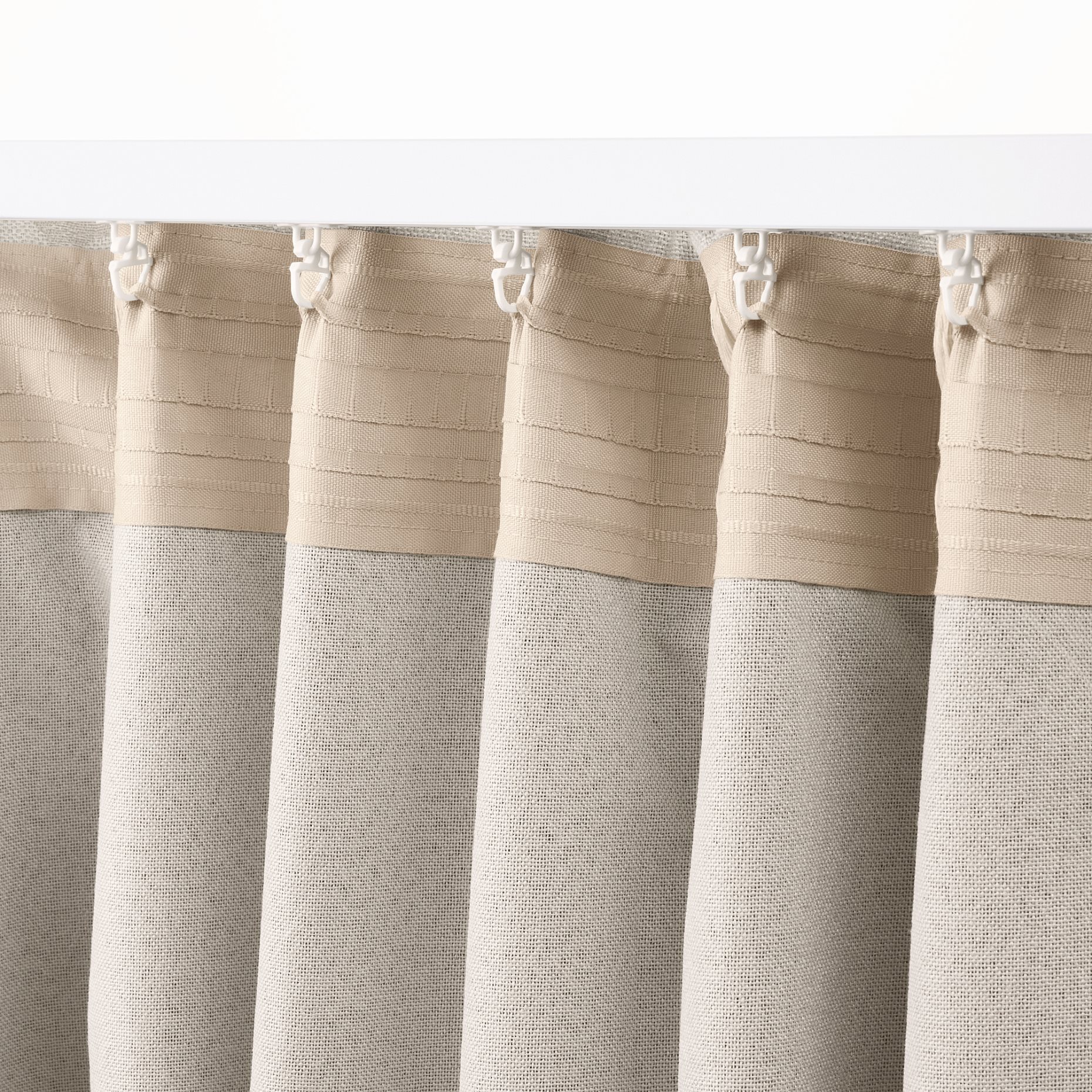
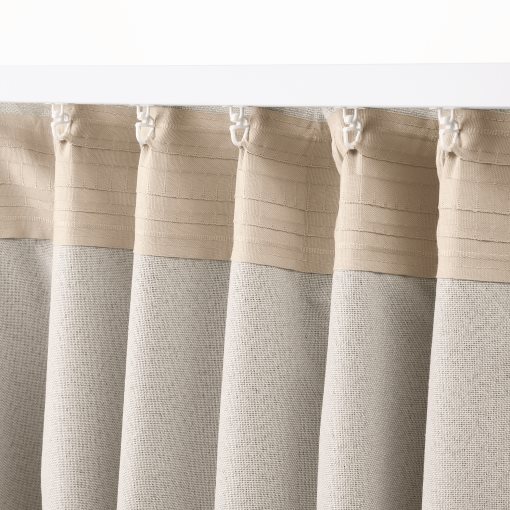
16 gliders and hooks are usually recommended for each curtain with a width of 145 cm. You can increase or decrease the number depending on whether you want narrower or fuller folds in the pleats.
Perfect for people who are sensitive to light during sleep, anytime of the day.
Jacquard-woven, meaning the design is woven into the fabric, giving it a nice, thick texture and a touch of elegance.
The lining enhances the block-out effect and makes the back as beautiful as the front.
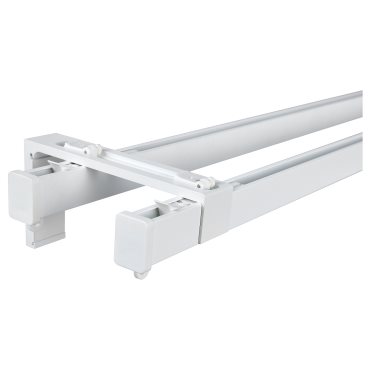
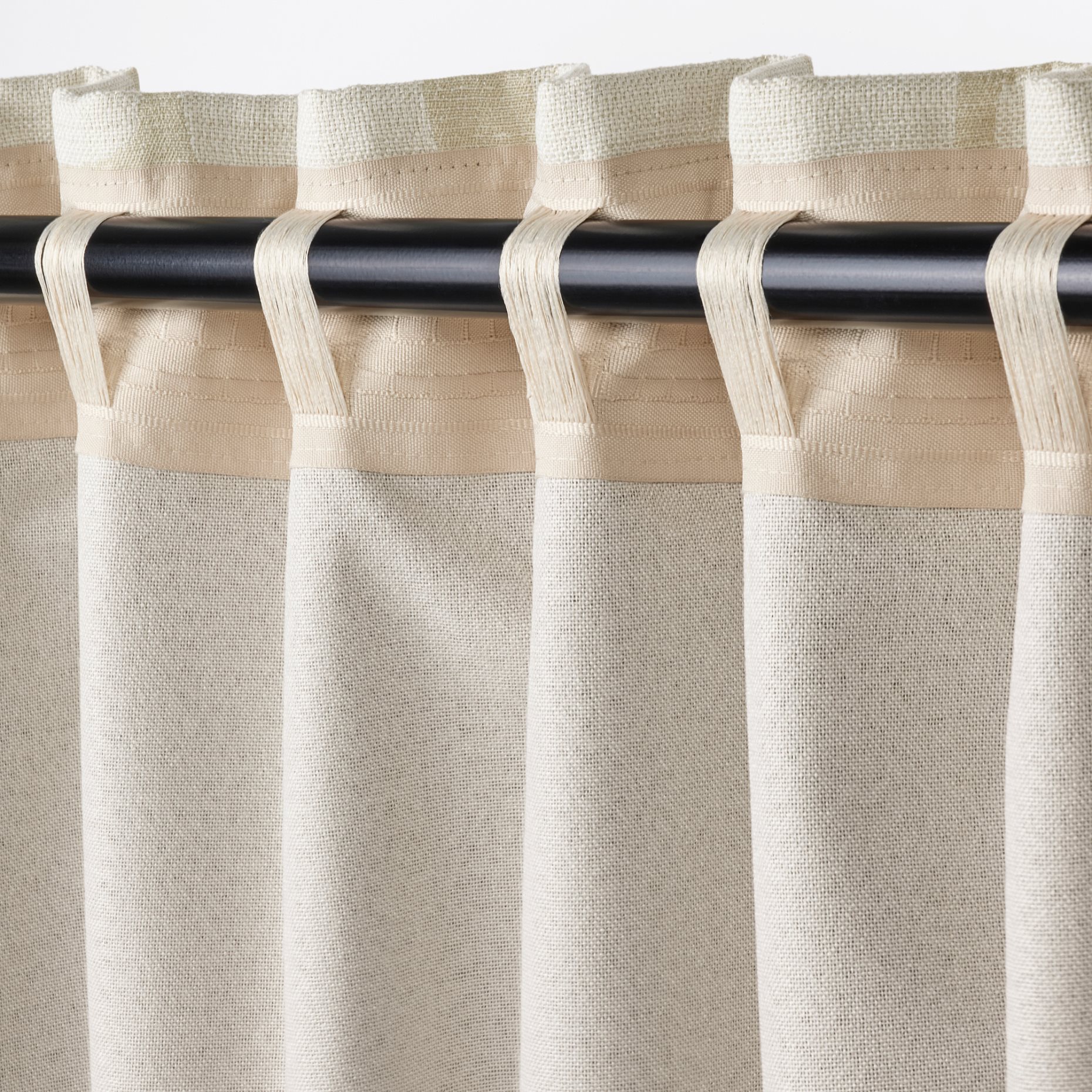
Curtains with heading tape allow you to hang the curtain directly on the curtain rod using the rod pocket or tabs. You can also hinge the curtain onto a track rail using gliders and hooks.
The heading tape has the same colour as the curtain so it looks neat from the back as well.
Function/solution
Block-out fabric
The block-out fabric effectively blocks out all light. Perfect for people who are sensitive to light during sleep, anytime of the day. It prevents glare on TV’s and digital screens. It offers complete privacy at all hours since people outside cannot see in, even when the room is lit.
Material
What is polyester?
Polyester is a durable, quick-drying and insulating material that is optimal to use for textiles and as filling in pillows, quilts and furniture. The material is made from crude oil – a limited resource. Since IKEA doesn’t want to contribute to more virgin oil being used, we are now gradually switching to recycled and traceable polyester from sources like PET bottles. What’s nice is that polyester can be recycled over and over, without changing or losing its great qualities.